Bee and Flower Embroidery Design Review
As a designer who has spent years curating machine embroidery design libraries for both personal passion projects and client work, I approach every new pattern with a critical eye. The market is flooded with generic motifs, so finding a piece that truly elevates a finished product requires careful scrutiny. Today, I am evaluating the Bee and Flower Embroidery Design, a pattern categorized under Bugs but clearly aiming for a broader aesthetic appeal. Before you download this embroidery file or commit it to your next commercial run, let’s break down how it actually performs in the real world.
First Impressions: Mood and Composition
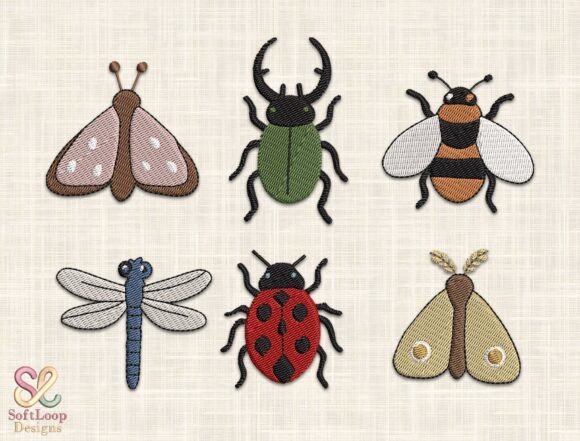
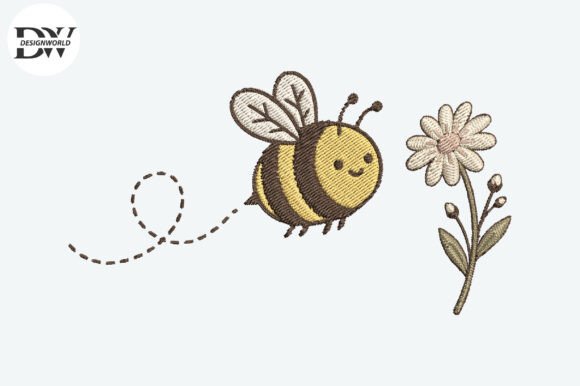
When I first loaded the Bee and Flower Embroidery Design into my digitizing software, the immediate impression was one of whimsical charm. The composition features a central bee surrounded by delicate blooming flowers, creating a balanced circular layout. This isn’t just a random bug; it is a nature-inspired vignette. The visual personality feels soft yet structured, avoiding the cluttered look that plagues many low-quality digital assets.
The interplay between the insect and the flora suggests a mood of gentle productivity and natural beauty. For an Etsy seller or a boutique owner looking to add a touch of organic elegance to their brand, this design hits the right note. It avoids the cartoonish extremes often found in children's patterns while remaining accessible enough for home decor. The potential for using varied thread colors here is significant, allowing you to shift the vibe from a pastel spring collection to a bold, high-contrast autumn palette simply by changing the stitch plan.
Real-World Application: From Screen to Stitch
To truly understand the value of this embroidery project, I visualized it on a few specific products I frequently create. Imagine a custom embroidered tote bag made from heavy canvas. Placing the Bee and Flower Embroidery Design near the top corner would serve as a perfect branding element. The density of the floral elements would likely hold up well against the texture of the canvas, providing enough coverage to hide the weave without puckering.
I also considered its use on custom apparel, specifically a heavyweight cotton sweatshirt. In this scenario, the design could be placed on the left chest area. Because the motif is self-contained, it doesn't require a massive hoop size, making it ideal for quick production runs. The satin stitch outlines on the bee's wings and the flower petals would catch the light beautifully, adding a tactile dimension that flat prints cannot achieve. For a personalized gift, such as a baby blanket or a nursery pillow cover, the soft curves of the flowers make it a safe and delightful choice that appeals to parents seeking non-threatening nature themes.
Furthermore, if you are running a craft business, this design works exceptionally well as an embroidered patch. By stabilizing the back properly, you can sew these onto denim jackets, backpacks, or aprons. The distinct shape ensures that even when cut out, the design retains its integrity, offering a professional finish that boosts the perceived value of your merchandise.
Navigating Challenges: Fabric and Placement
While the Bee and Flower Embroidery Design is versatile, experienced designers know that no pattern is universal. There are specific situations where caution is required. If you attempt to use this on thin or stretchy fabrics like jersey knit, the stitch density might cause puckering unless you use a tear-away or cut-away stabilizer appropriate for the material. The intricate details of the flower centers could get lost if the fabric texture is too coarse.
Another consideration is dark fabric. While the design looks lovely on white or cream, stitching it on black or navy requires careful color selection. You must ensure there is enough contrast in the fill stitch areas so the bee doesn't disappear into the background. Additionally, if you are working with curved surfaces like caps, the layout needs to be adjusted. The round nature of the design helps, but you must verify that the bottom of the flowers won't distort when stretched over the brim.
For those planning to sell finished products that will undergo frequent washing, such as kitchen towels or tea towels, check the thread tension settings. High-density areas around the bee's body should be tested to ensure they don't pull or fray after multiple cycles. A test run on scrap fabric is non-negotiable here. Always check whether the design works for both personal and commercial projects before committing to a large batch.
Impact on Brand and Customer Perception
In the competitive world of handmade goods, the quality of your digital embroidery file directly influences customer trust. Using a well-designed asset like the Bee and Flower Embroidery Design signals professionalism. Customers buying a small shop product expect precision. When the stitching is clean, the colors pop, and the motif aligns perfectly with the garment, it enhances the overall presentation of your brand.
This design adds a layer of sophistication that generic clip-art lacks. It tells a story of attention to detail. For holiday embroidery or seasonal collections, this pattern can be adapted with slight color changes to fit winter or summer themes, maintaining brand consistency across different seasons. Whether used in a printable mockup to showcase your shop's capabilities or stitched onto a physical item, the design holds its own. It encourages buyer engagement because it feels curated rather than mass-produced.
Practical Designer Notes for Success
- Test First: Always run the Bee and Flower Embroidery Design on a scrap piece of the exact fabric you intend to use. Check for registration issues and thread breaks.
- Stabilize Properly: Depending on the weight of your fabric, choose a stabilizer that supports the running stitch and fill areas without adding bulk.
- Color Strategy: Experiment with thread colors to see how they interact with the background. Lighter fabrics may need darker outlines for definition.
- Hoop Size Check: Verify the dimensions against your machine's maximum hoop capacity. If the design is tight, consider splitting it or resizing carefully.
- Licensing: Confirm the licensing terms before selling commercial embroidery items. Ensure you have the rights to sell the finished product or the digital file itself.
- Mockups: Use the design in printable mockups to visualize how it looks on various items before purchasing thread.
Ultimately, the Bee and Flower Embroidery Design offers a solid foundation for creators looking to infuse their work with natural beauty. It strikes a balance between detail and usability, making it a valuable addition to any designer's toolkit. By understanding its strengths and limitations, you can leverage this embroidery project to create high-quality, market-ready goods that stand out in a crowded marketplace.