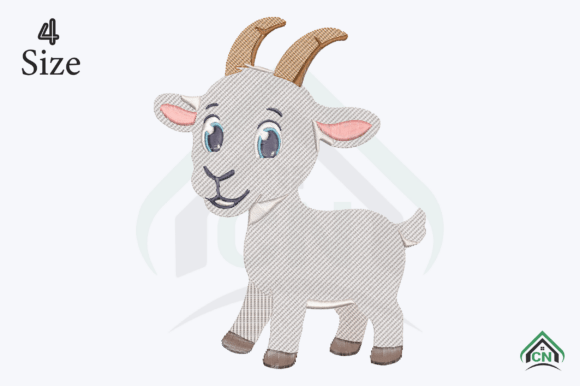
Cute Baby Goat Embroidery Design Review
As an embroidery designer who has spent years translating digital concepts into tangible threads for small businesses, I approach every new machine embroidery design with a critical eye. It is not enough for a file to look good on a screen; it must translate seamlessly onto fabric, withstand washing, and elevate the perceived value of the final product. Today, I am reviewing the Cute Baby Goat Embroidery Design. While the title suggests a whimsical addition to nursery items or baby clothes, my focus here is strictly on its viability for branded merchandise, custom apparel, and professional business assets. Does this adorable motif hold up when moved from a child's onesie to a boutique apron or a staff cap?
First Impressions: Balancing Playfulness with Professionalism
The first thing that strikes me about the Cute Baby Goat Embroidery Design is its inherent charm. The description promises a "sweet and charming touch," which immediately signals a friendly, approachable aesthetic. In the world of brand identity, this is a double-edged sword. For a high-end corporate uniform, a baby animal might feel too juvenile. However, for a local bakery, a florist, a pet brand, or a handmade craft studio, this design asset hits the sweet spot. It communicates warmth, care, and a rustic, handmade vibe without sacrificing visual appeal.
When evaluating the potential for small business merch, the design feels versatile. It possesses the softness required for a welcoming customer experience but maintains enough definition to function as a logo accent. The key to making this work professionally lies in execution. If the lines are too thin or the details too intricate, the magic is lost during digitization. As a designer, I need to ensure that the "adorable" nature of the goat does not result in a muddy, over-stitched mess on the finished product.
Strategic Applications for Branded Merchandise
So, where does this digital embroidery file shine in a commercial setting? Let's explore real-world scenarios where the Cute Baby Goat Embroidery Design can transform generic items into branded treasures.
- Staff Uniforms and Aprons: Imagine a cozy café or a boutique bakery. Placing a small version of this design on the chest pocket of a chef's jacket or the bib of an apron adds a unique personality to the team. It breaks the monotony of plain black or white uniforms and makes the staff appear more approachable to customers.
- Custom Caps and Headwear: Cap embroidery often suffers from limited space. This design, if scaled correctly, could serve as a perfect front-panel accent for a brand selling eco-friendly goods or children's products. The rounded shapes of a baby goat typically adapt well to the curved surface of a baseball cap.
- Tote Bag Designs: Tote bags are a staple for retail branding. A larger scale application of the Cute Baby Goat Embroidery Design on a canvas tote creates a premium alternative to screen printing. It adds texture and durability, making the bag a desirable item rather than just a disposable carrier.
- Embroidered Patches: One of the most effective ways to utilize this file is by creating detachable embroidered patches. These can be sewn onto denim jackets, backpacks, or even used as exclusive rewards for loyal customers. Patches allow for higher stitch density since they are backed with heavy stabilizer, ensuring the details pop.
- Product Packaging Accents: For brands selling physical goods, adding a small embroidered label or patch to the packaging elevates the unboxing experience. It signals that the product inside is crafted with attention to detail.
Technical Considerations and Potential Pitfalls
While the concept is sound, the technical execution of the Cute Baby Goat Embroidery Design requires careful planning. As a professional, I always advise clients to test before committing to a bulk run. Here are the specific areas where caution is necessary.
Stitch Density and Detail
Baby animals often feature delicate features like eyes, ears, and fur textures. If the stitch density is too high, the design may pucker the fabric, especially on lightweight materials like cotton tees or linen aprons. Conversely, if the density is too low, the image may look sparse and unfinished. I recommend checking the file settings to ensure there is adequate spacing between satin stitches to prevent thread bunching.
Fabric Texture and Color Contrast
The success of this embroidery file heavily depends on the background material. On a dark, textured fabric like wool or heavy denim, light-colored thread colors will stand out beautifully. However, on a dark uniform, you must ensure the design includes a solid underlay or backing to prevent the fabric color from showing through the gaps in the stitching. Similarly, on highly textured fabrics, fine details might get lost in the weave.
Scaling and Hoop Size
Before purchasing or using this design, verify the recommended hoop size. A design that looks great at 4x4 inches might lose all its charm if shrunk down to 1 inch for a sleeve detail. Small sizes require simplified outlines. If you plan to use this for tiny labels or cap fronts, you may need to simplify the digitized file to maintain clarity. Always confirm the minimum viable size for the specific machine you are using.
Impact on Brand Identity and Customer Trust
In the competitive landscape of Etsy sellers and local boutiques, visual consistency is paramount. Using a cohesive design asset like the Cute Baby Goat Embroidery Design across various touchpoints—aprons, bags, and tags—creates a memorable brand narrative. It tells the customer that your business values quality and uniqueness.
Furthermore, embroidery inherently conveys a sense of permanence and quality compared to printed graphics. When a customer receives a handmade product with a high-quality embroidered patch, their perception of the brand's value increases. This tactile element fosters trust and encourages repeat business. It transforms a simple transaction into an emotional connection, especially for brands in the Baby Animals or lifestyle categories.
Practical Designer Notes for Implementation
To ensure the best results with this commercial embroidery project, follow these steps:
- Test in Black and White: Before running colored thread, stitch a test in a single neutral color. This helps you identify any registration issues or gaps in the digitizing without wasting expensive thread.
- Verify Stabilizer Needs: Depending on the fabric weight, you may need a cut-away or tear-away stabilizer to support the weight of the stitches, particularly for the fluffy elements of the goat design.
- Create a Printable Mockup: Show your client a realistic mockup of the design on the actual garment. This manages expectations regarding how the thread sheen and texture will look in person.
- Check Commercial Licensing: Ensure you have the right to use this digital embroidery file for resale items. Many designs are for personal use only, so confirm the license terms before producing small business merch.
- Compare Thread Colors: Select thread colors that complement your brand palette. Avoid neon or overly bright shades unless they match your specific brand guidelines, as they can sometimes clash with natural fabrics.
The Cute Baby Goat Embroidery Design offers a delightful opportunity for businesses looking to inject personality into their products. With proper technical consideration and strategic placement, it can serve as a powerful tool for branding, turning simple garments into cherished keepsakes. Whether for a staff uniform, a promotional tote, or a luxury patch, this design proves that even the smallest motifs can make the biggest impact when executed with professional precision.