Foods Embroidery Designs: Boutique Sweatshirt Review
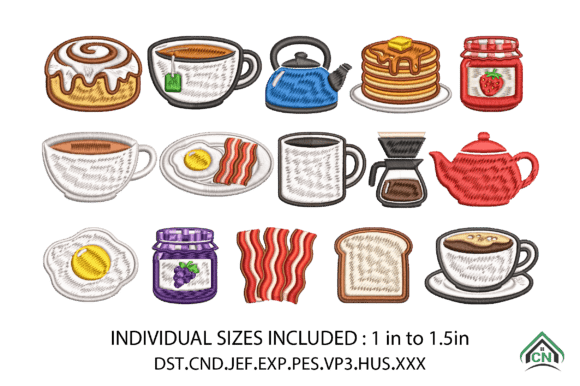
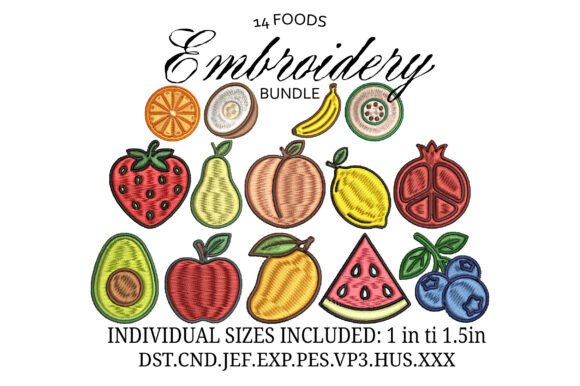
As an embroidery designer who has spent years perfecting the art of thread on fabric, I approach every new machine embroidery design with a critical eye. When preparing for a limited drop of premium sweatshirts for a small boutique brand, the choice of artwork is not just about aesthetics; it is about structural integrity and brand identity. Today, I am reviewing the Foods Embroidery Designs bundle to determine if it holds up under the scrutiny of commercial apparel production. This collection promises a colorful array of fruit and food-inspired mini designs, but does it translate from a digital file to a tangible, high-quality garment?
First Impressions: Mood and Stitching Personality
Upon opening the preview files for Foods Embroidery Designs, the immediate mood is undeniably fresh and playful. The layout suggests a collection built for versatility rather than grandiosity. These are mini designs, which is a crucial distinction for modern streetwear and cozy seasonal apparel. In the current market, oversized hoodies and relaxed-fit sweatshirts dominate, often featuring smaller, subtle accents rather than large, chest-dominating graphics.
The stitching personality of this bundle feels decorative yet grounded. The descriptions highlight "detai" (details), suggesting that while the designs are small, they are not simplistic. For a boutique brand aiming for a cute, feminine, or rustic aesthetic, these elements offer a perfect entry point. Unlike heavy, dense logos that can pucker thin cotton blends, these food-inspired motifs appear light enough to sit comfortably on various fabric textures. However, as a professional, my first concern is always how the digital representation translates to physical thread. Does the color palette pop against neutral backgrounds, or does it get lost in the weave?
Evaluating Placement on Premium Sweatshirts
When visualizing sweatshirt embroidery, placement is everything. For this specific bundle, the scale of the designs makes them ideal for several strategic locations. On a classic crewneck sweatshirt in a heather grey or oatmeal tone, a single fruit motif placed on the left chest creates an instant focal point. It feels less like a logo and more like a personal stamp of style, which resonates deeply with customers looking for unique custom apparel.
I also see significant potential for sleeve accents. Imagine a pastel-colored hoodie where a small cluster of berries or a stylized lemon slice is embroidered near the cuff. This technique elevates a basic hoodie design into a statement piece without overwhelming the wearer. For back designs, these mini assets can be arranged in a scattered pattern or used as part of a larger typographic composition. The key here is spacing; because these are mini designs, they require careful planning to ensure they do not look sparse when viewed from a distance.
In terms of lifestyle product photography, these designs excel. A close-up shot of a finished product showing the texture of the thread against the soft fleece of a sweatshirt communicates quality immediately. For an Etsy seller or a digital seller creating mockups, the vibrant nature of the food themes ensures that printable mockup images stand out in crowded marketplaces. The visual recognition factor is high; people associate food imagery with comfort, joy, and warmth, aligning perfectly with the cozy nature of sweatshirts.
Technical Considerations for Commercial Use
While the aesthetic appeal is strong, the transition from a digital embroidery file to a physical garment requires addressing several technical hurdles. The first is thread colors. Food items are naturally vibrant. To achieve that "fresh" look described in the bundle, you will need high-saturation threads. On dark fabrics, such as charcoal or navy sweatshirts, lighter food colors might require a layer of underlay or even a tonal backing to prevent the fabric color from bleeding through the stitches. Always test a swatch before committing to a full run.
Stitch density is another critical factor. Since these are mini designs, there is a risk of over-stitching if the density is too high for the small area. Excessive density can cause puckering, especially on the thicker loops of a sweatshirt. Conversely, if the density is too low, the design may lack definition. As a designer, I would recommend checking the stitch count and adjusting the pull compensation settings on your machine to accommodate the thickness of the fabric.
The choice of stabilizer cannot be overstated. Sweatshirts have a stretchy, textured surface that demands support. For Foods Embroidery Designs, a cut-away stabilizer is likely necessary to maintain the shape of the embroidery after multiple washes. Using tear-away might result in the design cracking or distorting over time, which damages the reputation of a small shop product. Additionally, consider the hoop size. Even though these are mini designs, hooping a thick sweatshirt can be challenging. You may need a magnetic hoop or a floating method to avoid distorting the fabric grain during the stitching process.
Impact on Brand Identity and Product Value
For creative entrepreneurs and handmade business owners, the right design asset can significantly boost perceived value. Foods Embroidery Designs offers a way to create a cohesive collection that feels curated rather than mass-produced. By selecting specific fruits or food items that align with your brand's story—perhaps citrus for a bright, energetic vibe or berries for a rustic, autumnal feel—you strengthen your brand identity.
This level of detail fosters customer engagement. Shoppers today seek authenticity and craftsmanship. A well-executed embroidered design signals that care was taken in the creation of the item. It transforms a generic sweatshirt into a collectible piece of art. For commercial embroidery operations, using high-quality design assets like this bundle allows for rapid prototyping of seasonal collections. You can quickly adapt the theme for holidays, summer refreshments, or harvest festivals, keeping your inventory dynamic and relevant.
However, buyer trust relies heavily on durability. Before launching a collection, verify that the embroidery file includes proper jump stitches and trims to ensure the design survives the rigors of washing. If the design falls apart after a few cycles, it reflects poorly on your entire brand. Therefore, rigorous testing is non-negotiable. Check the readability of the smallest details at a distance; if the design becomes a blur of thread, it may not be suitable for the intended application.
Final Verdict for the Creative Entrepreneur
In conclusion, Foods Embroidery Designs presents a compelling opportunity for small clothing brands and decorators looking to inject personality into their apparel line. The collection's focus on mini designs aligns perfectly with current trends favoring subtle, playful accents on oversized silhouettes. Whether you are creating a limited drop for an online shop or expanding your catalog for a local boutique, these designs offer the flexibility needed to experiment with placement and color.
Remember, the success of the project lies not just in the design itself, but in your execution. Pay close attention to thread contrast, stabilize your fabric correctly, and always review the specific file details regarding stitch counts and recommended hoops before production. When executed with precision, these food-inspired motifs can elevate a simple sweatshirt into a cherished wardrobe staple, proving that even the smallest stitches can make the biggest impact on your brand's success.