Medical Embroidery Design Bundle Review
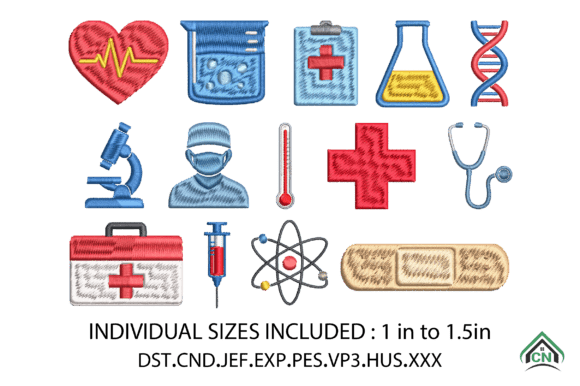
As someone who has spent years navigating the intersection of digital design files and physical stitching, I approach every new Medical Embroidery Design Bundle with a critical eye. The healthcare sector is massive in the world of custom apparel, but it is also unforgiving when it comes to detail. A sloppy cross or a blurry stethoscope can ruin the professional look of a uniform or a gift. This specific bundle promises fourteen unique healthcare-themed designs intended to add a meaningful touch to your projects. But does it hold up under the scrutiny of a real machine embroidery session? Let's dig into how these assets perform when you move from the screen to the hoop.
First Impressions: Visual Clarity and Theme
When I first opened the preview images for this collection, the immediate mood was one of clean professionalism. Unlike some novelty designs that lean too heavily into cartoonish aesthetics, these icons strike a balance between recognizable symbols and elegant simplicity. The shapes are distinct, which is crucial for an embroidery file meant for commercial use. Whether it is a heart rate monitor line, a medical cross, or a nurse cap, the silhouettes are strong enough to translate well into thread.
The layout of the designs suggests they were created with versatility in mind. They do not appear overly cluttered, which often leads to puckering on fabric. Instead, the lines seem defined, likely utilizing a mix of satin stitch for borders and fill stitch for solid areas. This combination is vital for maintaining definition on textured fabrics like fleece or canvas. For an Etsy seller or a boutique owner looking to expand their catalog into personalized gifts for doctors, nurses, and EMTs, the visual personality here feels appropriate for both serious uniforms and celebratory retirement gifts.
Testing the Designs in Real-World Scenarios
To truly understand the value of the Medical Embroidery Design Bundle, I visualized a few specific project scenarios where these designs would be most effective. Imagine preparing a custom embroidered tote bag for a local hospital fundraiser. You need something that reads clearly from a distance but looks crisp up close. These designs offer exactly that. The larger icons in the set would work beautifully as a central motif on a heavy cotton tote, providing a sturdy anchor for the brand message without overwhelming the bag.
Consider another scenario: creating a small batch of sweatshirts for a nursing school graduation. Sweatshirt embroidery requires careful attention to stitch density. If a design is too dense, the thick fleece will pucker; if it is too sparse, it will look cheap. Based on the visual weight of these graphics, they seem optimized for medium-density stitching. This makes them ideal for custom apparel where comfort and durability are key. The designs would also translate exceptionally well into an embroidered patch application. Creating patches allows for more intricate details since the backing stabilizer is usually heavier, and these designs have the structural integrity to stand out on a denim jacket or a backpack.
For those focusing on baby items, such as a nursery blanket or a onesie, the softer elements within the bundle could be perfect. However, one must always consider the scale. A design that looks great on a pillow cover might lose its impact if shrunk down for a tiny baby sock. The variety in this fourteen-piece set allows you to choose the right complexity for the specific item, ensuring the finished product meets the high expectations of parents buying handmade goods.
Where Caution Is Required
While the potential is high, there are specific situations where even a good design needs extra care. If you plan to use these on thin fabrics like a standard t-shirt, you must pay close attention to the hoop size and stabilizer choice. Thin material can easily distort under the tension of the needle, especially if the design includes tight curves or small lettering. I recommend testing the design on scrap fabric first to see how the threads settle.
Dark fabrics present another challenge. While the thread colors included in the default settings might look fine on white, they may vanish against navy blue or black. In a real shop setting, you would likely need to adjust the color palette to ensure contrast. Additionally, curved surfaces like caps require designs that flow well in a circular motion. Some of the more rectangular or wide designs in this bundle might need to be resized or rotated to fit a six-panel hat without distorting the image.
Furthermore, products that undergo frequent washing, such as kitchen towels or aprons, demand durable stitching. High-density areas can sometimes trap moisture or wear down faster over time. Inspecting the running stitch outlines and ensuring they are secure is a necessary step before committing to a large run of orders.
Impact on Brand and Customer Trust
In the world of handmade products, the quality of the design directly correlates with customer trust. When a client sees a professional medical embroidery design on a sample, it signals that the creator understands their industry. It elevates the perceived value of the item. A generic clip-art style logo feels mass-produced, whereas a well-executed embroidery file feels bespoke.
For a craft business owner, using a cohesive bundle like this ensures brand consistency across different product lines. Whether you are selling a tea towel, a cap, or a pillow cover, the visual language remains the same. This consistency helps in building recognition for your shop. Moreover, offering these designs as part of a service for commercial embroidery projects can open doors to corporate clients who need branded merchandise for their staff. The ability to deliver a polished look quickly is a significant competitive advantage.
Practical Designer Notes for Success
If you decide to integrate the Medical Embroidery Design Bundle into your workflow, here are my top recommendations for getting the best results:
- Test on Scrap Fabric: Never skip this step. Stitch out the design on the exact fabric you intend to use to check for puckering and alignment.
- Check Thread Contrast: Review the thread colors against light and dark backgrounds. You may need to customize the color palette in your digitizing software.
- Verify Hoop Size: Ensure the design fits comfortably within your machine's hoop without stretching the edges.
- Use Proper Stabilizer: Invest in high-quality tear-away or cut-away stabilizers, especially for stretchy or textured materials.
- Inspect Small Details: Zoom in on the digital file to check for any broken paths or overly complex corners that might cause thread breaks.
- Review Licensing: Before selling finished items or digital downloads, confirm the license terms. Ensure you are cleared for commercial embroidery and selling the final product.
- Create Mockups: Use printable mockups to show clients how the design looks on various garments before starting production.
Ultimately, this bundle offers a solid foundation for anyone looking to enter or expand their presence in the healthcare customization market. It provides the necessary tools to create meaningful, high-quality items that resonate with medical professionals and their families. By applying careful judgment regarding fabric choice, stabilizer use, and color selection, you can turn these digital assets into tangible, profitable products that stand the test of time.