Coffee Pot Embroidery Pattern PES DST Review
As a professional embroidery designer who has spent years curating collections for boutique brands, I approach every new digital asset with a critical eye. When I opened the Coffee Pot Embroidery Pattern PES DST, my immediate goal was to evaluate its potential for an upcoming limited sweatshirt drop. This is not just about downloading a file; it is about understanding how a machine embroidery design translates from a screen into a tangible, premium garment that customers will want to wear and photograph.
First Impressions: Mood and Aesthetic
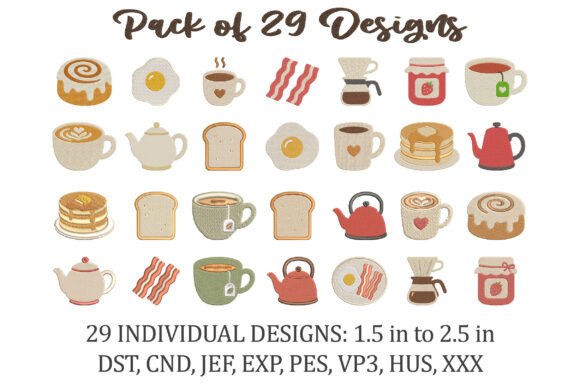
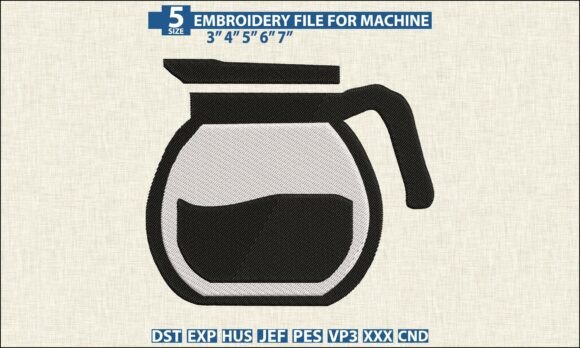
The moment I loaded the Coffee Pot Embroidery Pattern PES DST into my digitizing software, the classic carafe silhouette stood out. The design exudes a cozy, rustic charm that feels perfectly aligned with current lifestyle trends. It is neither overly cartoonish nor strictly industrial; instead, it strikes a balance between decorative artistry and functional branding. For a small clothing brand looking to establish a warm, inviting identity, this embroidery file offers a strong foundation.
The layout suggests a balanced composition, which is crucial when scaling designs for different apparel types. Whether applied to a neutral oatmeal sweatshirt or a deep charcoal hoodie, the clean lines of the coffee pot promise to maintain readability. The mood is undeniably comforting, evoking images of morning routines and cafe culture. This makes it an ideal candidate for seasonal collections, particularly during autumn and winter when consumers gravitate toward cozy, tactile aesthetics.
Evaluating Sweatshirt and Hoodie Applications
When considering sweatshirt embroidery, fabric texture plays a massive role in the final outcome. Fleece and French terry have a distinct nap that can sometimes obscure fine details if the stitch density is too low. Upon reviewing the Coffee Pot Embroidery Pattern PES DST, I noted that the line weights appear robust enough to punch through the loops of a standard cotton blend without sinking in too deeply. This is a vital factor for ensuring the finished product looks crisp rather than muddy.
For our hypothetical boutique collection, I envision three primary placements:
- Chest Pocket Placement: A classic left-chest logo application creates a subtle, branded look perfect for everyday wear. On an oversized hoodie, this placement feels intentional and high-end.
- Sleeve Accents: Scaling the design down for a sleeve patch adds a touch of detail without overwhelming the garment. This works exceptionally well for custom apparel where minimalism is key.
- Back Center Design: For a bold statement piece, centering the coffee pot on the back of a pastel-colored sweatshirt could create a striking visual focal point, especially if paired with contrasting thread colors.
The versatility of this hoodie design allows it to serve as both a standalone graphic and part of a larger narrative. For an Etsy seller or digital creator, this flexibility means one digital embroidery file can generate multiple SKUs, maximizing the return on investment for the design purchase.
Thread Colors and Fabric Contrast
One of the most critical aspects of commercial embroidery is color selection. The Coffee Pot Embroidery Pattern PES DST features outlines that demand attention. On dark fabrics like navy or black, using a bright cream or mustard yellow thread would make the carafe pop, creating a modern, streetwear vibe. Conversely, on light pastels, a rich chocolate brown or burnt orange thread would enhance the organic, handmade feel.
I recommend testing swatches before full production. The interplay between the thread colors and the fabric texture determines whether the piece feels premium or cheap. If the design relies heavily on satin stitches, ensure the fabric is stable enough to support them without puckering. For thicker sweatshirts, a cutaway stabilizer is non-negotiable to maintain the integrity of the stitching over time.
Technical Considerations for Production
Before committing to a full run, any serious embroiderer must address practical concerns. While the description highlights the pattern's suitability for kitchen textiles and aprons, applying it to heavy-weight apparel requires specific adjustments. First, check the stitch density. High-density areas can cause fabric distortion on stretchy materials like hoodies. If the design feels too dense, you may need to adjust the underlay settings in your machine software to allow the fabric to breathe.
Secondly, consider the hoop size. Ensure the design fits comfortably within your available hoops without excessive stretching of the fabric. Over-stretching a sweatshirt in the hoop can lead to permanent warping once the garment is removed. Always use a floating technique with tape or a spray adhesive stabilizer for large areas to prevent shifting during the run.
Durability is another key metric. Since this is intended for wearable items, the stitching must withstand repeated washing. A well-executed machine embroidery design will hold up beautifully, but poor tension settings can lead to thread breakage or fraying. As a designer, I always advise clients to wash a sample garment before listing it as a handmade product on their shop. This ensures the design remains vibrant and intact, protecting your brand reputation.
Brand Identity and Commercial Viability
In the crowded marketplace of online retail, visual recognition is currency. The Coffee Pot Embroidery Pattern PES DST offers a unique opportunity for a boutique brand to differentiate itself. Unlike printed graphics, embroidery adds texture and depth, signaling quality and craftsmanship. Customers often associate embroidered logos with higher value, which can justify a premium price point for your small shop product.
For an Etsy seller, this design serves as a powerful asset for lifestyle photography. Imagine a photo of a model wearing an oversized hoodie with the coffee pot embroidered on the chest, holding a steaming mug. This cohesive imagery tells a story and engages potential buyers emotionally. The tactile nature of the embroidery invites closer inspection, increasing customer engagement and trust.
Furthermore, the design's association with coffee culture taps into a passionate demographic. People love expressing their hobbies through their clothing. By offering this custom apparel, you are not just selling a sweatshirt; you are selling an identity. This emotional connection is what drives repeat business and word-of-mouth marketing for creative entrepreneurs.
Final Verdict for Digital Sellers
The Coffee Pot Embroidery Pattern PES DST is a strong contender for any portfolio focused on cozy, lifestyle-oriented apparel. Its classic appeal ensures longevity, while its adaptability allows for creative interpretation across various garments. However, remember to verify the specific technical details—such as exact stitch count and compatible hoop sizes—before starting your production run. These nuances can make or break the quality of your finished product.
Whether you are a seasoned decorator or a new digital seller, investing in high-quality design assets like this one pays dividends in brand perception. It transforms a simple sweatshirt into a collectible item that speaks to the wearer's personality. For those ready to elevate their commercial embroidery game, this carafe design is a reliable tool to build a memorable and profitable collection.