Houseplants Hand Embroidery Pattern Review
As an embroidery designer who has spent years curating designs for small business clients and personal collections, I approach every new Creative Fabrica embroidery download with a critical eye. The market is flooded with generic botanicals, so finding a design that truly elevates a handmade product requires careful scrutiny. Recently, I evaluated the Houseplants Hand Embroidery Pattern, a digital asset promising to bring a cozy, modern botanical vibe to stitching projects. My goal was to determine if this specific pattern holds up under the pressure of real-world commercial use or if it remains merely a pretty image on a screen.
First Impressions: Aesthetic and Design Intent
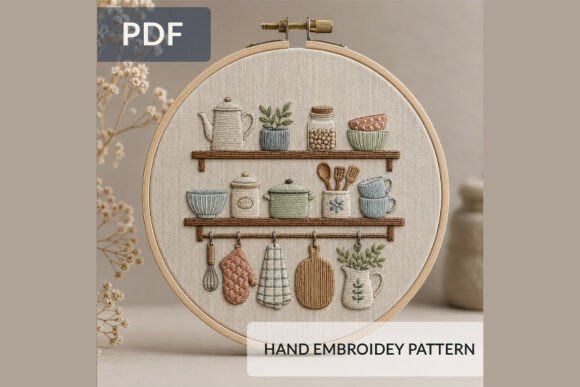
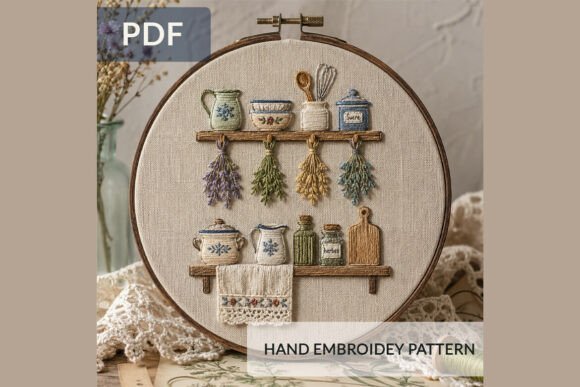
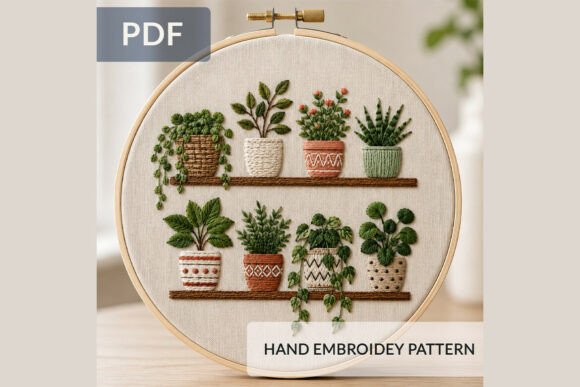
Upon opening the file, the visual mood of the Houseplants Hand Embroidery Pattern immediately stood out. Unlike many sterile, vector-heavy graphics found in standard libraries, this design feels organic and textured. The description highlights aesthetic indoor plants, textured pots, trailing vines, and wooden shelves, and the artwork delivers exactly that. It captures the essence of a curated home corner, which is a massive trend in current interior decor.
The level of detail suggests a design meant for those who appreciate the nuance of nature. The trailing vines offer a sense of movement, while the wooden shelves provide a grounding structure. For a designer looking to create a cohesive collection, this pattern fits naturally into themes of "slow living," "botanical chic," or "modern farmhouse." It is not just a single flower; it is a scene. This makes it particularly versatile for larger formats where storytelling through thread is possible.
Evaluating Real-World Project Applications
When considering how this embroidery file performs in actual production, several applications come to mind. The composition is dense enough to look substantial but open enough to allow fabric texture to show through, which is crucial for high-quality handmade products.
- Custom Apparel: The vertical orientation of the shelves and plants works exceptionally well on the chest area of a sweatshirt or the front pocket of a denim jacket. However, because the design includes multiple elements like pots and shelves, it may require a larger hoop size than a simple monogram.
- Tote Bags and Textiles: This is perhaps the strongest use case. The tote bag design potential is high because the rectangular layout mirrors the shape of canvas bags. Imagine this stitched onto a natural cotton tote; the earthy tones of the pots and wood would complement the raw fabric beautifully.
- Home Decor Items: Pillow covers and kitchen towels are ideal canvases. The "cozy" factor mentioned in the product description translates perfectly to these items. A pillow featuring the Houseplants Hand Embroidery Pattern becomes an instant conversation piece in a nursery or living room.
- Personalized Gifts: For those selling on Etsy or at craft fairs, this pattern offers a unique angle for a personalized gift. You could embroider the recipient's name in a script font alongside the shelf, creating a custom keepsake that feels more artisanal than mass-produced decor.
Technical Considerations for Professional Use
While the visual appeal is undeniable, a professional review must address the technical execution. As with any complex machine embroidery design or intricate hand pattern, preparation is key to success. The inclusion of "textured pots" and "wooden shelves" implies areas that may rely heavily on fill stitch or varied running stitch techniques to simulate grain and depth.
If you are using this as a machine design, pay close attention to the stitch density. Dense areas, such as the foliage or the dark soil in the pots, can cause puckering on stretchy fabrics like jersey knit. Always test on scrap fabric first. If the design is intended for hand embroidery, the complexity of the vines requires patience. The hoop size will likely need to be 6x8 inches or larger to accommodate the full scene without cutting off the trailing vines, which are essential to the design's flow.
Fabric choice also plays a significant role. While the design looks great on light neutrals, using it on dark fabric requires careful selection of thread colors. The lighter greens and beige tones of the pots might get lost against a black background unless you utilize a high-loft stabilizer or adjust your thread palette. Always compare light and dark fabric mockups before committing to a large batch of orders.
Commercial Viability and Brand Consistency
For small business owners and digital product sellers, the value of a design lies in its ability to build brand consistency. The Houseplants Hand Embroidery Pattern has a distinct style that can anchor a boutique merchandise line. Whether you are producing embroidered patches for hats or decorating aprons for a culinary brand, the aesthetic is consistent and recognizable.
This pattern can significantly affect buyer trust. In the handmade market, customers are paying for quality and uniqueness. A well-executed version of this design signals that the creator cares about detail. Conversely, a poorly stabilized or low-density attempt can damage your reputation. The visual appeal of the finished product directly influences customer engagement and the likelihood of social media shares, which are vital for growing an online shop.
Furthermore, when creating listings for platforms like Etsy, having high-quality photos of the finished product is non-negotiable. The intricate details of the wooden shelves and trailing vines photograph well, allowing for close-up shots that showcase the craftsmanship. You can even use the design assets to create a printable mockup for your marketing materials before you have stitched a single item, helping to gauge interest in a new product line.
Practical Tips for Success
To ensure the best results with this Creative Fabrica asset, keep these practical notes in mind:
- Verify Licensing: Before selling finished items, confirm the file details and licensing on the Creative Fabrica product page. Ensure your license allows for commercial use of physical goods, especially if you plan to scale production.
- Stabilizer is Non-Negotiable: Given the detailed nature of the pots and leaves, use a tear-away or cut-away stabilizer appropriate for your fabric weight. This prevents distortion during stitching.
- Color Matching: Do not rely solely on the default thread suggestions. Test different shades of green and brown to match your specific fabric base. The contrast between the plant life and the pot textures defines the realism of the piece.
- Inspect Small Details: After stitching, inspect the tiny lettering or fine vine lines. Sometimes, machines skip stitches in very tight curves, requiring manual touch-ups for a professional finish.
- Wash Testing: If creating items like kitchen towels or baby blankets that need frequent washing, wash your test sample to ensure the threads do not bleed or the fabric does not shrink excessively around the stitching.
In conclusion, the Houseplants Hand Embroidery Pattern is a robust addition to a designer's library. It moves beyond simple motifs to offer a complete scene that resonates with current home decor trends. While it demands attention to technical details like stabilizer choice and hoop size, the payoff in terms of visual impact and commercial potential is significant. For designers ready to invest time in quality execution, this pattern offers a wonderful opportunity to create memorable, high-value embroidered goods.