Embroidery Pattern PDF: A Designer's Review
As a designer who has spent years curating Graphics for both personal passion projects and commercial client work, I approach every new digital asset with a critical eye. The market is flooded with generic files, so finding a resource that actually translates well from screen to fabric is rare. Recently, I evaluated the Embroidery Pattern PDF, a digital download promising versatility across multiple hoop sizes. My goal was not just to see if it looks good on a monitor, but to determine how it performs when stitched onto real textiles for a boutique shop or a personalized gift.
First Impressions: Visual Weight and Design Intent
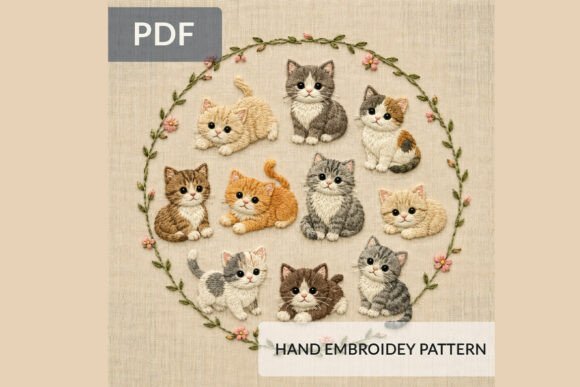
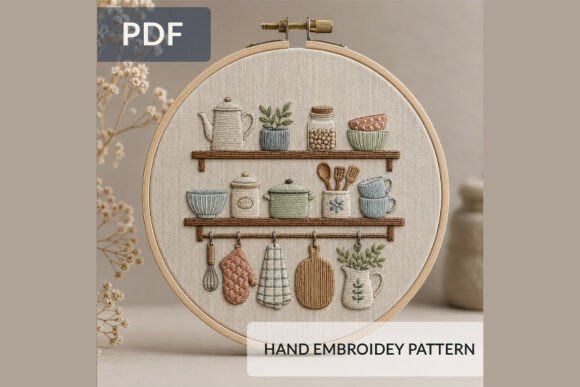
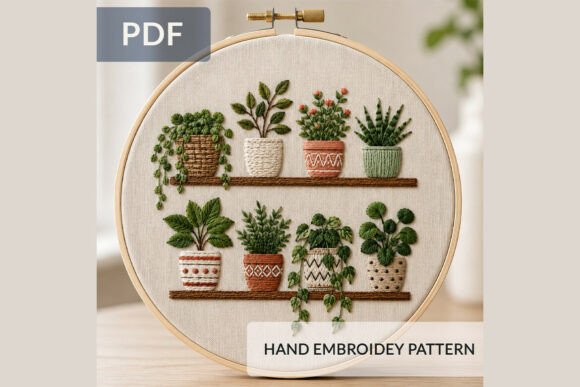
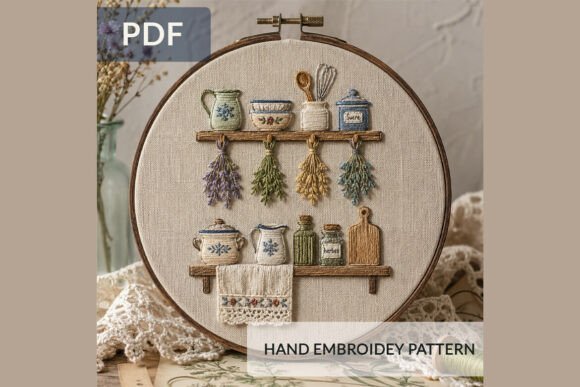
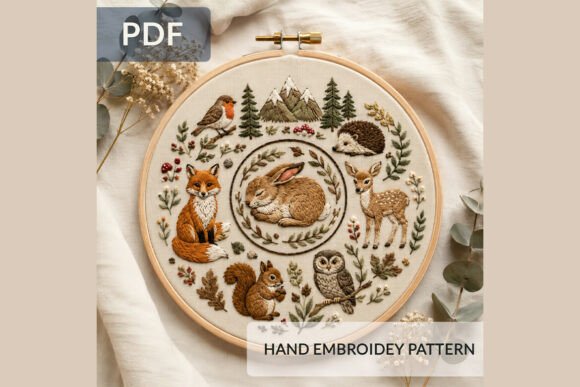
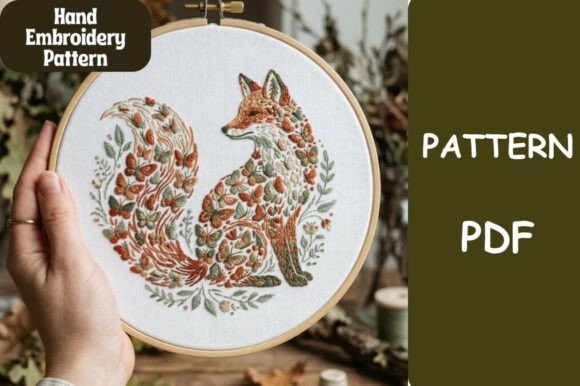
When I first opened the Embroidery Pattern PDF, the layout immediately suggested a design built for clarity rather than overwhelming detail. In the world of Hand Embroidery Patterns, simplicity often wins because it allows the texture of the thread and fabric to shine through. This specific file presents a balanced composition that feels organic and grounded. It does not rely on tiny, intricate corners that are notorious for tangling during stitching. Instead, the lines flow with a natural rhythm, suggesting a project that will look professional even in the hands of a less experienced crafter.
The visual personality of this pattern leans towards modern minimalism with a touch of whimsy. This makes it incredibly versatile. It could easily serve as a focal point on a tote bag design or act as a subtle accent on a high-end sweatshirt embroidery project. For an Etsy seller looking to expand their catalog without reinventing the wheel, this kind of clean aesthetic is essential. It signals quality to the buyer before they even touch the finished product.
Testing the Versatility: From 3-Inch to 8-Inch Hoops
One of the standout features of this Embroidery Pattern PDF is its scalability. The inclusion of versions scaled to fit 3″, 4″, 5″, 6″, 7″, and 8″ hoops is a significant advantage for a craft business. In my experience, having a single design that works across such a wide range of hoop size options eliminates the need to purchase multiple assets for different products.
I visualized using the smaller 3″ version for a delicate embroidered patch intended for a denim jacket or a baby onesie. At this scale, the design holds up well; the lines do not blur together, and the negative space remains distinct. Conversely, the 8″ version offers enough room for fill stitch techniques to add depth and dimension, making it perfect for a large pillow cover or a kitchen towel. This flexibility means a small shop owner can create a cohesive collection where the same motif appears on everything from keychains to blankets, maintaining strong brand consistency.
Real-World Application: A Custom Tote Bag Scenario
To truly test the practical value, I imagined a specific scenario: preparing a batch of custom canvas tote bags for a local craft fair. The goal was to create a handmade product that felt premium yet affordable. Using the Embroidery Pattern PDF, I selected the 5″ hoop version to center the design on the front of the bag.
In this context, the design's lack of excessive density became a major benefit. Dense stitching on heavy canvas can sometimes cause puckering, especially if the stabilizer isn't perfectly applied. Because this pattern relies more on outline and selective filling, it sits flatter against the fabric. When I considered the thread colors, the open areas allowed me to use contrasting shades that would pop against the natural beige of the canvas. The result? A custom apparel item that looks handcrafted and unique, exactly what customers expect from a boutique brand.
If I were selling these as personalized gifts, the clean lines would also make adding a monogram nearby much easier. There is no visual clutter competing for attention. This is crucial for commercial embroidery where readability and aesthetic balance directly impact sales.
Navigating Fabric Textures and Challenges
While the design is robust, it is not immune to the challenges of different materials. As a reviewer, I must advise caution when applying this machine embroidery design to stretchy fabrics like jersey knit or very thin silks. Even with the right stabilizer, the tension required for larger hoop sizes can distort the fabric grain. For a baby embroidery project on a soft cotton blend, the 4″ or 5″ version would be ideal, but you must ensure the backing is tear-away or cut-away depending on the garment's washability needs.
Additionally, while the design scales well, extremely dark fabrics require careful planning. If you are using a black sweatshirt, the running stitch details might get lost unless you use a bright, high-contrast floss. Always test a printable mockup in black and white first to check contrast levels before committing to expensive threads. This step saves time and prevents wasted materials, which is vital for any digital product seller managing inventory costs.
Professional Execution: Designer Notes for Success
Before integrating the Embroidery Pattern PDF into your workflow, there are a few non-negotiable steps to ensure a polished outcome. First, always run a test on scrap fabric. Even if the file claims to be beginner-friendly, your machine's tension settings and needle type play a massive role in the final look. Check the stitch density closely; if the fill areas look too tight, you may need to adjust the settings to prevent fabric damage.
Secondly, consider the licensing carefully. If you plan to sell the finished items, such as holiday embroidery gifts or small shop merchandise, confirm that the license permits commercial use. Many designers offer personal-use-only files, and accidentally violating terms can hurt your reputation. Assuming this file is cleared for commercial use, it becomes a powerful asset for generating revenue streams without the overhead of designing from scratch.
Finally, think about the finished product presentation. Does the design look good on a hanger? Does it hold up after washing? The durability of the stitching depends heavily on the fabric texture and the care instructions provided to the customer. By choosing a design like this one, which balances detail with structural integrity, you increase the likelihood that your customers will love their purchase long-term.
Final Verdict: A Practical Asset for Makers
The Embroidery Pattern PDF stands out as a reliable tool for both hobbyists and professionals. Its ability to scale across six different hoop sizes makes it an efficient choice for creating diverse product lines, from caps to aprons. The design avoids common pitfalls like overcrowding and poor line definition, ensuring that the final stitch work looks crisp and intentional.
For the creative entrepreneur looking to streamline their production process, this file offers a solid foundation. It respects the limitations of hand and machine stitching while maximizing visual appeal. Whether you are building a portfolio of design assets or fulfilling a rush order for a wedding gift, this pattern provides the flexibility needed to deliver high-quality results. It is not just a file; it is a blueprint for creating tangible, beautiful goods that people want to own.